How Urban Design Shapes Human Interaction
The Foundations of How Urban Design Shapes Human Interaction
When we begin to examine How Urban Design Shapes Human Interaction, it becomes clear that human society is constantly adapting. For decades, sociologists and anthropologists have studied how our daily interactions shape the larger cultural landscape. From the way we communicate to the systems we build, every aspect of our lives is interconnected. Understanding how city layouts dictate our daily paths is not just an academic exercise; it provides a vital window into our shared experiences. By looking closely at the historical context, we can see that the foundations of modern behavior were laid long ago. It is fascinating to observe how early community structures have influenced contemporary norms. As we dive deeper into this subject, we uncover the subtle yet profound ways in which human beings relate to one another in an ever-changing world.
Observing Group Dynamics
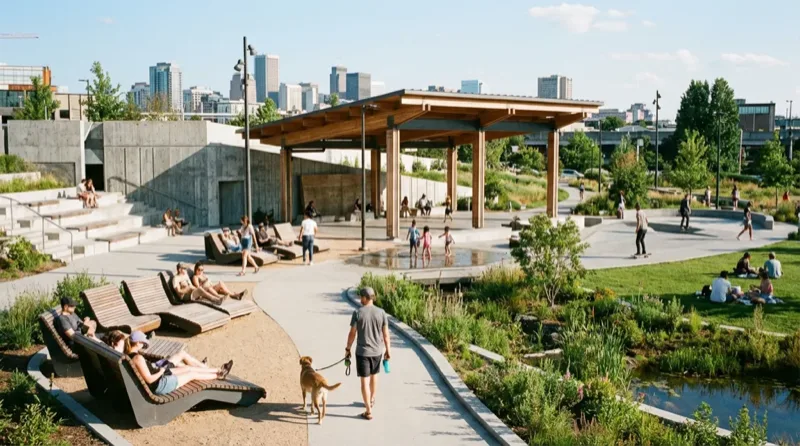
Taking a closer look at the sociology of public parks and squares, researchers have noted significant shifts in how groups operate. The dynamics of cooperation and conflict are deeply ingrained in human nature. When observing these patterns, it is important to consider the environmental and economic factors that drive them. For example, changes in technology and resource availability often dictate how communities organize themselves. These shifts can be gradual or sudden, but they always leave a lasting mark on the cultural fabric. By documenting these changes, anthropologists help us understand the resilience and adaptability of human societies. It shows that while the tools and settings may change, the fundamental human need for connection and structure remains constant.
The Psychology of Social Norms
Another crucial aspect to consider is the psychological effect of architecture. Often overlooked in everyday conversation, the psychological underpinnings of group behavior play a massive role in shaping our public spaces and private lives. Social norms are established and reinforced through constant, subtle interactions. These unwritten rules govern everything from our professional conduct to our casual encounters. By analyzing the way these norms evolve, we gain insight into the collective mindset of a community. Sociologists argue that true understanding of a culture comes from observing its most mundane, routine practices. It is in these quiet moments that the real architecture of society is revealed.
Modern Adaptations and Challenges
The impact of the challenges of modern urban sprawl cannot be overstated. In recent years, scholars have paid particular attention to how modern infrastructure and global communication affect traditional community bonds. There is a delicate balance between preserving historical identity and adapting to new realities. We see this tension play out in various aspects of life, from family structures to civic engagement. While some argue that modern life isolates us, others point to new forms of solidarity that emerge in response to these challenges. This ongoing evolution highlights the dynamic nature of human culture. We are constantly negotiating our place within the group, finding new ways to belong and contribute.
Concluding Thoughts on Human Connection
Ultimately, the study of the relationship between space and community reminds us of our shared humanity. Despite the vast differences in our specific cultural practices, the underlying motivations are remarkably similar. We all seek security, purpose, and a sense of belonging. The insights gained from anthropological research provide a framework for navigating the complexities of the modern world. By understanding the forces that shape our societies, we can engage with one another more empathetically and thoughtfully. The journey of human development is far from over, and continuing to document and analyze these patterns is essential for our collective future.